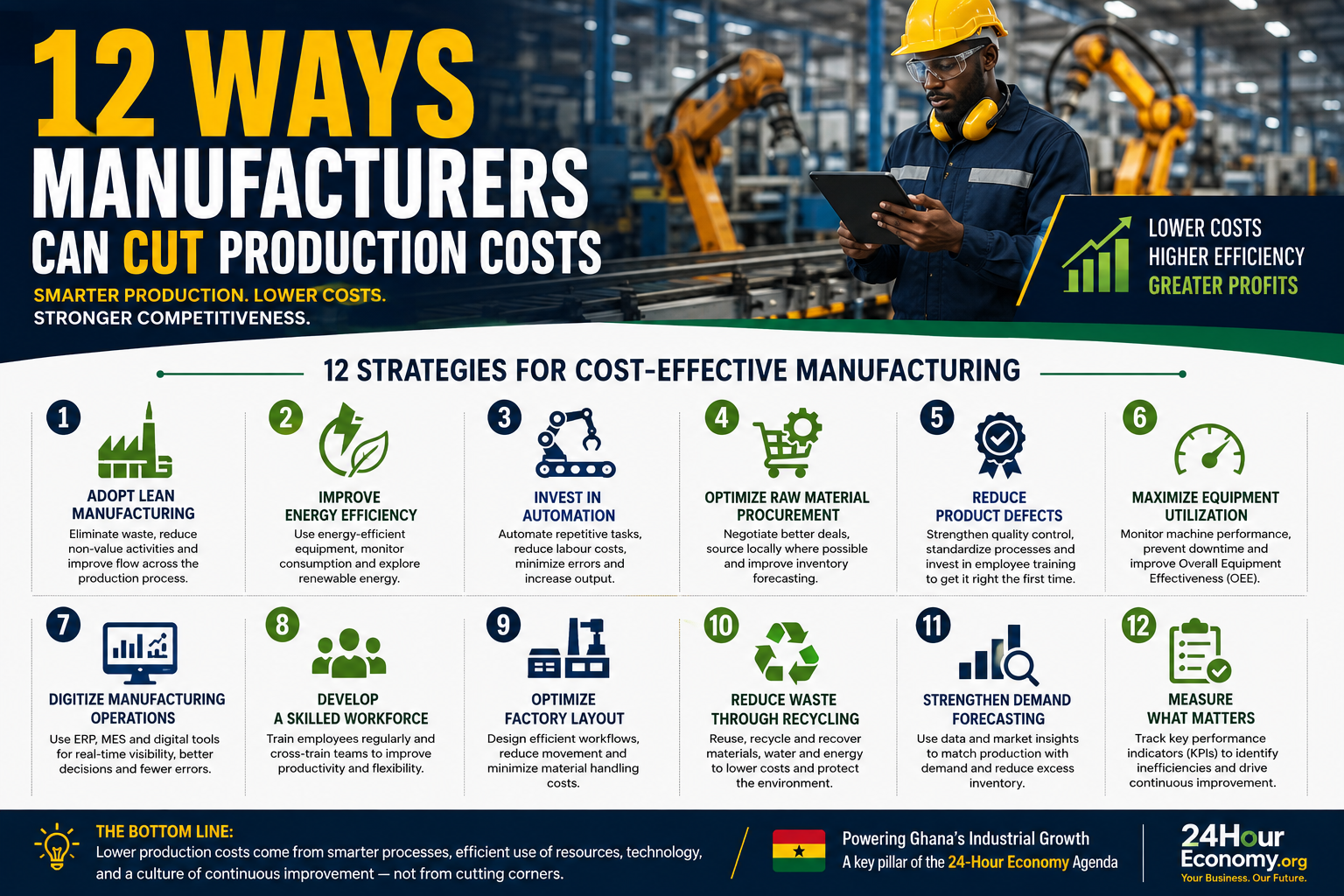
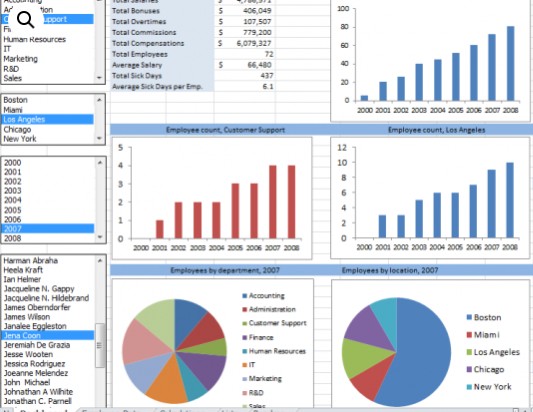
What is ERP? A Complete Guide for Modern Businesses
Enterprise Resource Planning (ERP) is an integrated business management software system that brings together an organization's core business processes into a single platform.
What is ERP? A Complete Guide for Modern Businesses
In today's competitive business environment, companies can no longer afford to operate with disconnected systems, spreadsheets, and manual processes. Whether you are a manufacturer, importer, exporter, retailer, agribusiness, logistics provider or service organization, efficient operations depend on having accurate, real-time information.
This is where Enterprise Resource Planning (ERP) comes in.
What is ERP?
Enterprise Resource Planning (ERP) is an integrated business management software system that brings together an organization's core business processes into a single platform.
Rather than using separate software for accounting, inventory, sales, purchasing, production, payroll and customer management, an ERP system connects them all into one centralized database.
This enables every department to work from the same information, improving collaboration, reducing errors and helping management make better decisions.
How Does an ERP System Work?
An ERP system stores business information in one central database. When one department records a transaction, the information becomes immediately available to other authorized departments.
For example:
A sales team creates a customer order.
Inventory is automatically updated.
Production receives the manufacturing request.
Purchasing is notified if additional raw materials are required.
Finance generates the invoice.
Management dashboards update instantly with the latest figures.
This seamless flow of information eliminates duplicate data entry and significantly improves operational efficiency.
Core Modules of an ERP System
Most ERP solutions include several functional modules that work together.
1. Financial Management
The finance module manages:
General Ledger
Accounts Receivable
Accounts Payable
Budgeting
Fixed Assets
Cash Management
Financial Reporting
Finance teams gain real-time visibility into the company's financial health.
2. Inventory Management
This module helps businesses monitor:
Stock levels
Warehouses
Product movement
Stock valuation
Reorder levels
Batch and serial tracking
Businesses can reduce stock shortages and avoid overstocking.
3. Procurement
Procurement modules manage:
Purchase requisitions
Purchase orders
Supplier management
Goods received
Vendor performance
Cost control
This helps organizations purchase efficiently while maintaining supplier accountability.
4. Sales and Customer Management
Sales modules handle:
Quotations
Sales Orders
Customer information
Pricing
Invoicing
Collections
Some ERP systems also include Customer Relationship Management (CRM) capabilities.
5. Manufacturing
Manufacturing ERP includes:
Bill of Materials (BOM)
Production planning
Work orders
Material requirements planning (MRP)
Shop floor control
Quality management
Manufacturers can better manage production schedules while reducing waste and downtime.
6. Human Resource Management
HR modules typically cover:
Employee records
Payroll
Leave management
Performance reviews
Recruitment
Training
This simplifies workforce administration.
7. Supply Chain and Logistics
Businesses involved in distribution and exports benefit from modules covering:
Warehouse Management
Fleet Management
Shipping
Delivery Tracking
Route Planning
Customs Documentation
Benefits of ERP
Organizations implementing ERP often experience significant improvements across multiple areas.
Improved Efficiency
Employees spend less time entering duplicate information and more time on productive work.
Better Decision Making
Managers gain access to real-time dashboards and reports rather than relying on outdated spreadsheets.
Reduced Costs
Automation minimizes manual work, reduces errors, and improves resource utilization.
Enhanced Customer Service
Sales, inventory, and customer support teams have access to accurate information, resulting in faster response times.
Stronger Financial Control
Finance departments benefit from accurate reporting, audit trails, and improved compliance.
Business Growth
ERP systems are designed to scale as businesses expand into new products, markets, or locations.
Which Businesses Need ERP?
ERP is no longer reserved for large multinational corporations.
Small and medium-sized enterprises (SMEs) increasingly adopt ERP solutions as they grow.
Industries benefiting from ERP include:
Manufacturing
Wholesale Distribution
Retail
Agribusiness
Mining
Construction
Logistics
Healthcare
Education
Hospitality
Financial Services
Government Agencies
ERP vs Accounting Software
Many businesses begin with accounting software, but accounting software focuses mainly on financial transactions.
ERP extends beyond finance to manage the entire business.
Accounting Software
ERP Software
Financial records only
Entire business operations
Limited inventory
Advanced inventory and warehousing
No production planning
Manufacturing and production control
Minimal procurement
Complete purchasing workflow
Basic reports
Real-time dashboards and analytics
Department-specific
Organization-wide integration
Cloud ERP vs On-Premise ERP
Businesses today can choose between two deployment models.
Cloud ERP
Cloud ERP is hosted online and accessed through the internet.
Advantages include:
Lower upfront costs
Automatic updates
Remote access
Easy scalability
Reduced IT maintenance
On-Premise ERP
On-premise ERP is installed on a company's own servers.
Advantages include:
Greater control over infrastructure
Extensive customization
Suitable for organizations with strict regulatory requirements
Common Challenges During ERP Implementation
ERP implementation is a strategic business transformation rather than simply installing software.
Organizations should prepare for:
Data migration
Employee training
Process redesign
Change management
Executive sponsorship
User adoption
Successful ERP projects require careful planning and active participation from all departments.
ERP in Ghana's Business Ecosystem
As Ghana advances its 24-Hour Economy agenda, businesses are expected to improve productivity, operate around the clock, and compete effectively in regional and global markets.
ERP systems can support this transformation by enabling:
24-hour production monitoring
Automated inventory replenishment
Digital procurement
Real-time financial reporting
Supply chain visibility
Workforce scheduling across multiple shifts
Data-driven business decisions
For manufacturers, exporters, logistics providers, and agribusinesses, ERP provides the operational foundation needed to increase efficiency and scale sustainably.
Final Thoughts
Enterprise Resource Planning (ERP) is more than software—it is a strategic platform that connects people, processes and information across an organization. By replacing disconnected systems with an integrated solution, businesses can improve productivity, strengthen financial control and respond more quickly to market opportunities.
As digital transformation accelerates across Ghana and Africa, ERP adoption is becoming a competitive necessity rather than a luxury. Organizations that invest in integrated business systems today are better positioned to grow, innovate and participate successfully in the evolving economy.
About 24HourBusiness
24HourBusiness is Ghana's digital platform for business intelligence, manufacturing, trade, technology, investment, and enterprise development. We provide practical insights that help businesses embrace innovation, improve competitiveness, and unlock opportunities in the emerging 24-hour economy.
Disclaimer:
The views expressed on this site are those of the contributors or columnists, and do not necessarily reflect 24HourBusiness.com's position. 24HourBusiness.com will not be responsible or liable for any inaccurate or incorrect statements in the contributions or columns here.
HS Code helps customs authorities determine what a product is, how it should be treated at the border, what duties and taxes may apply, whether regulatory controls are required, and how the transaction is recorded in international trade statistics.
Fire, floods, power outages or civil disturbances can halt operations overnight. Business Interruption Insurance helps businesses survive when income suddenly stops.
The modern CEO must make decisions in an environment defined by complexity, uncertainty, and speed.
This is where Business Intelligence (BI) has emerged as one of the most powerful strategic assets available to executive leadership.
Jul 20, 2026
295
Premium Industrial Header Ad Zone Space (Available for Placement)
 Business Knowledge Centre