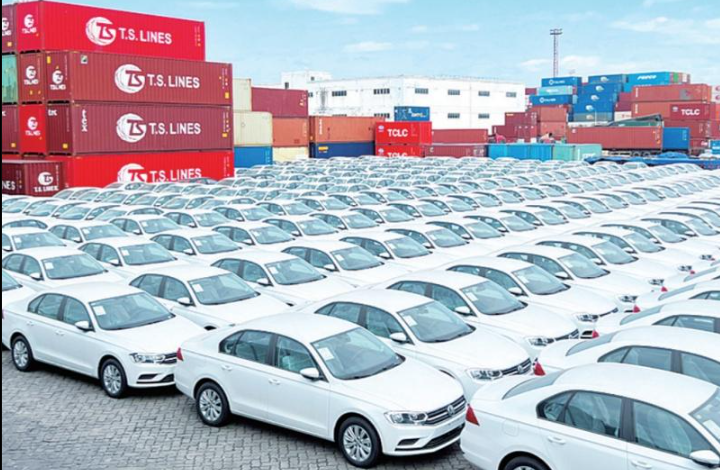
Importing a vehicle into Ghana involves several businesses and regulatory processes. Understanding how these stakeholders work together can help importers avoid delays, unexpected costs and documentation problems.
Ghana's automotive import market plays an important role in the country's trade and transportation sectors. Thousands of vehicles enter the country through international shipping routes, creating business opportunities for vehicle dealers, shipping companies, freight forwarders, clearing agents, inspection providers and other service businesses.
However, importing a vehicle involves more than purchasing a car overseas and arranging its shipment to Ghana. It is a process involving several stakeholders, each with a specific responsibility.
Understanding this journey is essential for anyone intending to import a vehicle for personal use or commercial purposes.
1. Vehicle Sourcing and Purchase
The process usually begins with identifying a suitable vehicle from an overseas market.
Popular sourcing destinations include the United States, Canada, Japan, the United Kingdom, Germany and other European and Asian markets.
Vehicles may be purchased through:
- Online automotive marketplaces.
- Vehicle dealerships.
- Government and institutional auctions.
- Insurance salvage auctions.
- Private vehicle sellers.
Buyers should verify the seller's identity, vehicle identification number (VIN), ownership documentation, mileage information and available vehicle history before making payment.
2. Export Documentation and Preparation
After purchasing the vehicle, the exporter or shipping agent facilitates the necessary export arrangements.
Depending on the country of origin, this may involve export documentation, ownership transfer, deregistration, customs procedures and arrangements for delivery to a designated shipping terminal.
The buyer should establish who is responsible for each activity before agreeing to the transaction.
3. Shipping and International Logistics
Shipping companies and freight forwarders coordinate the movement of vehicles from the country of origin to Ghana.
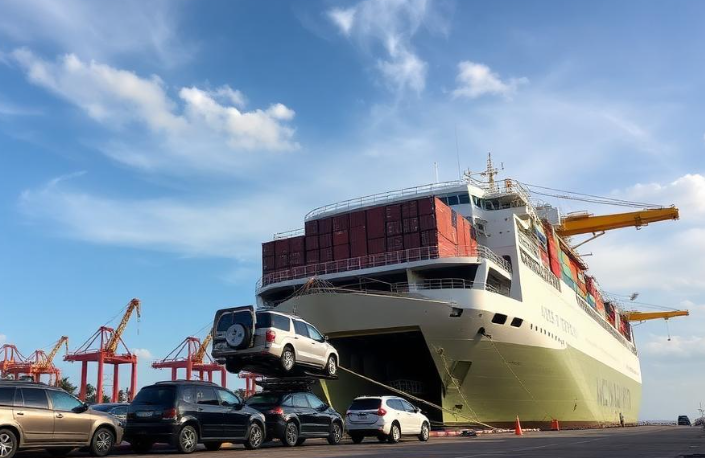
Vehicles may be transported through Roll-on/Roll-off (RoRo) services or containerised shipping.
The choice depends on the vehicle, shipping route, cost, availability and the arrangements made by the importer.
Important documents include the Bill of Lading, commercial invoice and other relevant shipping and export documents.
4. Pre-Export Inspection and Compliance
Vehicle inspection and conformity assessment may form part of the import process, depending on applicable Ghanaian regulatory requirements.
These processes are intended to establish whether vehicles meet relevant safety, technical and regulatory standards.
Importers should confirm the applicable requirements with the Ghana Standards Authority (GSA) and authorised service providers before shipping.
5. Arrival at the Port of Destination
When the vehicle arrives in Ghana, port operations, shipping agents, terminal operators and customs-related service providers become involved.
The importer or appointed clearing agent must coordinate the documentation and clearance process.
Relevant customs duties, taxes, levies and applicable charges must be assessed and settled in accordance with Ghana's regulations.
6. Customs Clearance and Final Delivery
After the necessary clearance procedures have been completed, the vehicle can be released for collection or delivery.
The importer should ensure that all relevant documentation is retained for registration, ownership and subsequent use.
Why Understanding the Process Matters
A breakdown in communication between any of the stakeholders can result in additional costs, delays and disputes.
Importers should therefore establish clear responsibilities, obtain written quotations and verify the credentials of service providers before committing funds.
The Bottom Line
Ghana's vehicle import industry is supported by an interconnected network of businesses. Understanding the responsibilities of each stakeholder gives importers better control over costs, documentation and delivery timelines.
As the automotive trade evolves, greater transparency, digital documentation and effective coordination among industry participants will become increasingly important.
 Export, Trade & Logistics