At the centre of the new regime is a requirement that used vehicles must undergo inspection in their country of origin by a GSA-approved third-party inspection body before shipment to Ghana.
Accra, Ghana – 14 August 2026 — Importers and dealers in Ghana's used vehicle market have been given greater clarity on the country's new vehicle import standards following the release of a Public Notice by the Ghana Standards Authority (GSA).
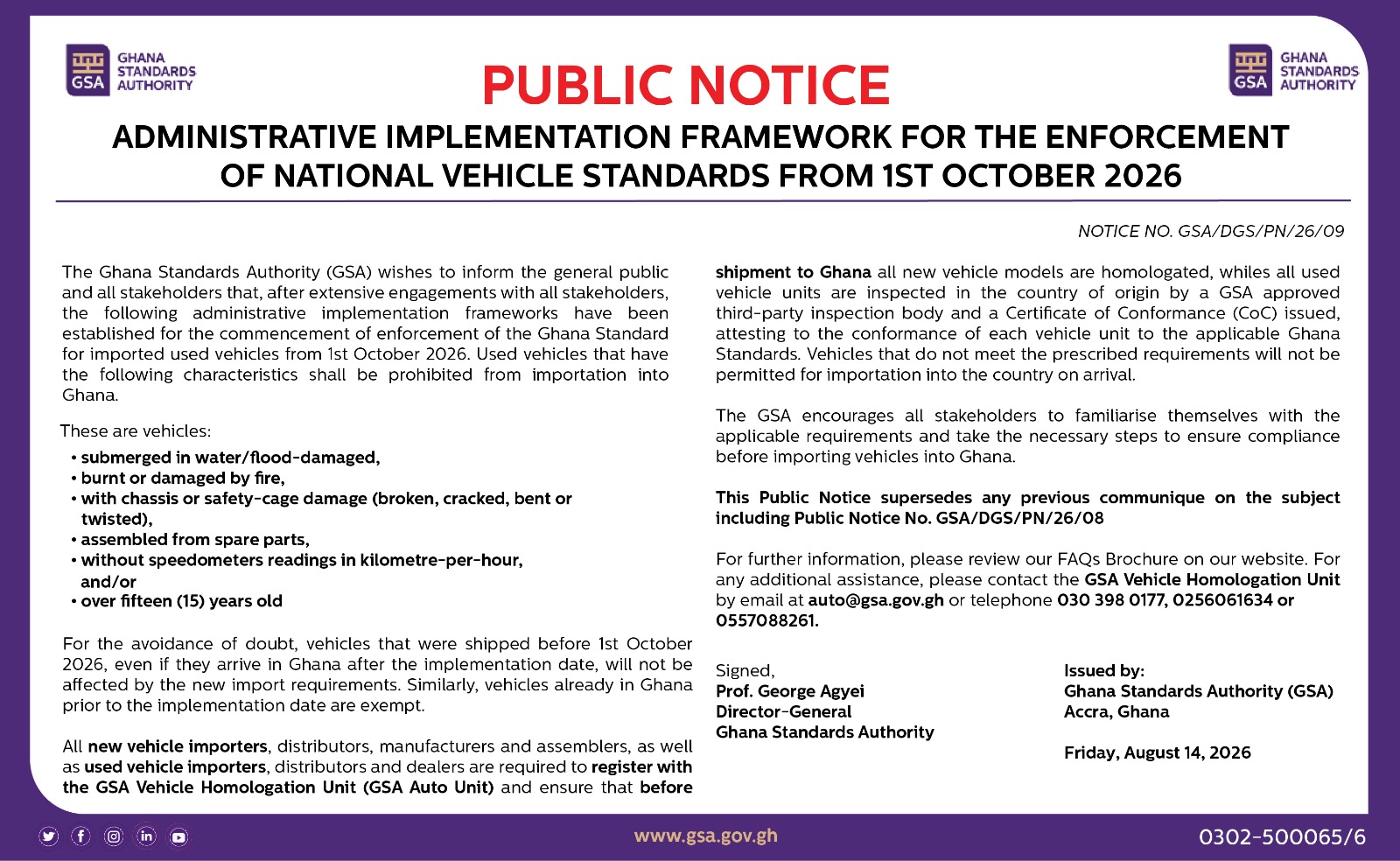
The new administrative implementation framework takes effect on 1 October 2026 and introduces stricter requirements for used vehicles entering Ghana.
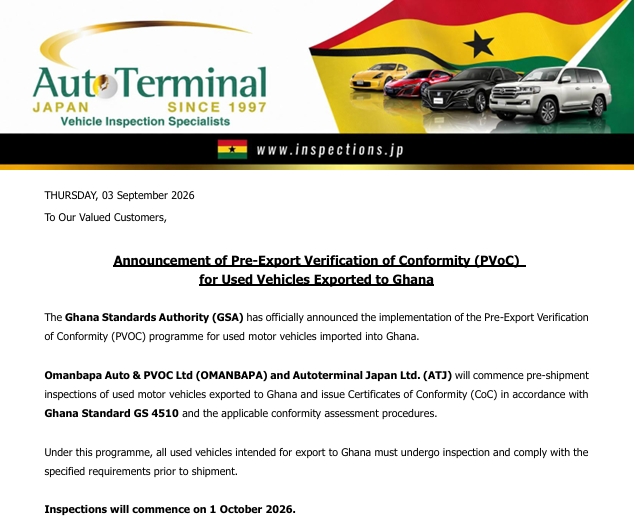
At the centre of the new regime is a requirement that used vehicles must undergo inspection in their country of origin by a GSA-approved third-party inspection body before shipment to Ghana.
Vehicles that meet the applicable requirements will be issued a Certificate of Conformance (CoC). Vehicles that fail to meet the prescribed requirements will not be permitted for importation upon arrival in Ghana.
15-Year Limit on Used Vehicles
One of the most significant provisions is the prohibition of used vehicles that are more than 15 years old.
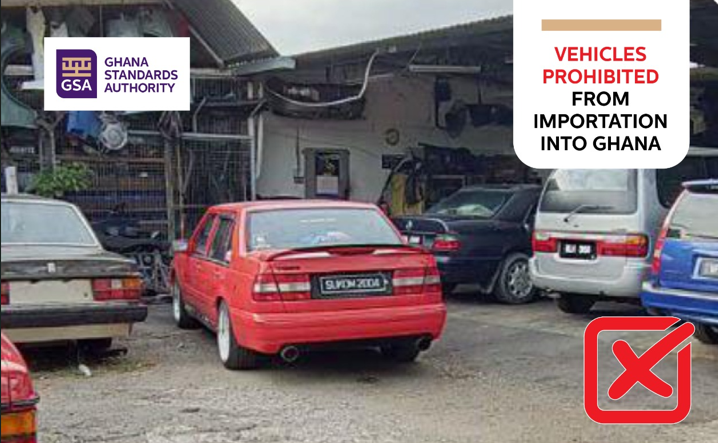
The new rules will also prohibit the importation of vehicles that have been:
- Flood-damaged or submerged in water;
- Burnt or damaged by fire;
- Damaged to their chassis or safety cage;
- Assembled from spare parts;
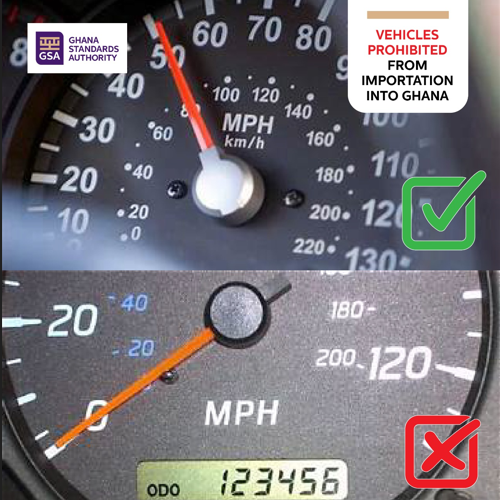
- Fitted with speedometers that do not provide readings in kilometres per hour.
For vehicle businesses, this means that sourcing decisions will increasingly have to be made before the vehicle leaves its country of origin.
What This Means for Vehicle Importers
The new framework changes the risk profile of the used vehicle import business.
Previously, an importer could purchase a vehicle overseas and arrange shipment to Ghana before many compliance questions were conclusively resolved. Under the new framework, the vehicle must meet the applicable requirements and obtain the necessary conformity certification before shipment.
This creates a stronger incentive for importers to:
1. Verify vehicles before purchase
Importers will need to pay greater attention to the age, history and physical condition of vehicles.
2. Inspect before shipment
The pre-shipment inspection requirement means conformity assessment becomes an important part of the import process.
3. Avoid high-risk vehicles
Flood-damaged, fire-damaged, structurally compromised and excessively old vehicles will no longer be viable imports under the new framework.
4. Factor compliance into business costs
Importers will need to account for inspection and certification as part of their vehicle sourcing and logistics processes.
5. Strengthen documentation
Proper documentation and conformity certification will become increasingly important throughout the import chain.
Protecting Ghana's Automotive Market
The GSA's new framework is also significant from a broader economic perspective.
Ghana's used vehicle market supports thousands of businesses, including importers, dealers, clearing agents, mechanics, insurers, spare-parts businesses, transport operators and other service providers.
However, the quality of vehicles entering the country has implications beyond the automotive trade.
Unsafe vehicles can increase road safety risks, while the importation of heavily damaged or end-of-life vehicles can impose additional costs on consumers and businesses.
The new standards therefore seek to establish a higher threshold for vehicles entering the Ghanaian market.
A Clear Transition Date
The GSA has provided an important transitional arrangement.
Vehicles shipped before 1 October 2026 will not be affected by the new import requirements, even where they arrive in Ghana after 1 October. Vehicles already in Ghana before the implementation date are also exempt.
The Authority has urged all stakeholders to familiarize themselves with the requirements and take the necessary steps to ensure compliance before importing vehicles.
The Public Notice, GSA/DGS/PN/26/09, supersedes the previous communication on the subject.
What Importers Should Do Now
With the 1 October implementation date approaching, vehicle importers and dealers should begin reviewing their sourcing processes, supplier arrangements and documentation to ensure that vehicles purchased for the Ghanaian market can satisfy the new requirements.
For the Ghanaian automotive sector, the new framework marks a significant shift towards pre-shipment verification, stronger vehicle quality controls and greater accountability across the vehicle import chain.
Source: Ghana Standards Authority, Public Notice No. GSA/DGS/PN/26/09, 14 August 2026.

 Export, Trade & Logistics